TL;DR
Citrus trees can serve as holiday décor and continue growing year-round, but they need more care than many houseplants. University of Georgia extension agent Mary Carol Sheffield recommends moving outdoor trees indoors before temperatures fall into the 40s, providing strong light and checking regularly for pests.
A Country Living care guide explains how to keep a potted citrus tree alive after the holidays, including bringing it indoors before temperatures fall into the 40s and providing bright light, careful watering and regular pest checks. The advice, attributed in part to University of Georgia extension agent Mary Carol Sheffield, matters to people buying citrus trees as Christmas gifts or decorations who want to grow them beyond the season.

Get garden gear delivered free with Prime
- Fast, free delivery on millions of items
- Prime Video, Amazon Music and more included
- Member-only deals all year
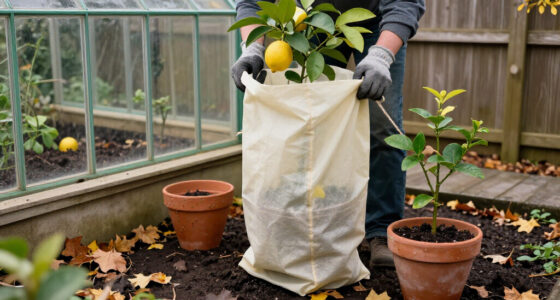
Many citrus cultivars, particularly dwarf varieties, can grow in containers, while citrus trees planted outdoors can thrive in USDA hardiness zones 10 and warmer, according to the report. In warm months, potted trees can sit on a patio. Sheffield advises moving them inside before temperatures drop into the 40s, after inspecting the foliage and spraying the tree with a garden hose to dislodge pests. Keeping the plant separate from other houseplants for a time can help limit the spread of any insects that came indoors with it.
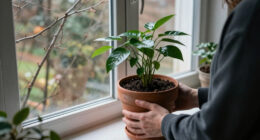
Once inside, a citrus tree needs the brightest available east-, west- or south-facing window. The report says many homes will need an LED grow light for 8 to 12 hours a day. Water when the top inch or two of soil is dry, and use a container with drainage holes; citrus roots should not sit in soggy soil. Sheffield says ordinary good-quality potting soil is suitable, while a granular, extended-release fertilizer formulated for citrus should be applied according to its label.
When moving a tree outdoors in spring, wait until nighttime temperatures stay above 40 degrees, then acclimate it gradually. Start with a few hours in shade, add brief periods of sun and increase exposure over time. The tree may shed leaves after moving indoors because of lower light, the report says, but may recover within a few weeks. Citrus trees can take several years to bear fruit, and fruit may need six to nine months from flower to ripen.
Keeping Holiday Citrus Alive
A potted citrus tree can be more than a seasonal decoration, but its care needs continue after the holidays. The seasonal moves are a key part of keeping it healthy: cold exposure can be a risk outdoors, while low indoor light and dry air can stress it inside. Planning for a suitable indoor spot and a gradual return outdoors can help owners avoid treating it like a short-lived festive display.
The guide also sets expectations for new owners. Citrus trees are not an instant source of fruit: some take years to begin producing, and fruit takes months to mature after flowering. Regular inspection is also part of care, particularly when a tree that spent summer outdoors is brought near other indoor plants.
There is a household safety consideration as well. The report cites the ASPCA in stating that citrus trees are toxic to pets; plant material and peels can cause problems if chewed or swallowed. Owners should keep trees away from animals that nibble plants, and contact a veterinarian if they suspect ingestion.
Products Worth Considering

Orbit B-hyve XR 8-Zone Indoor/Outdoor Smart Sprinkler Controller
Orbit B-hyve XR 16-Zone Indoor/Outdoor Smart Sprinkler Controller
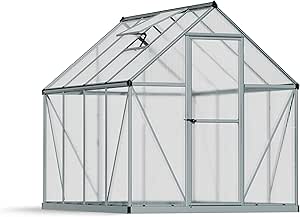
Palram Canopia Mythos 6' x 8' Polycarbonate Greenhouse, Silver
As an affiliate, we earn on qualifying purchases.
Seasonal Care and Fruit Timing
The Country Living report presents citrus trees as both decorative and edible plants, listing calamondin orange, Meyer lemon and Key lime among popular choices. Calamondins produce small, tart fruits; Meyer lemons are described as sweeter and less acidic than many lemons, while Key limes are smaller and more flavorful than common limes. The guide does not suggest that any one variety is right for every home; available light and the owner’s ability to manage seasonal care remain practical considerations.
Outdoors, citrus trees need full sun, defined in the report as at least six hours of direct sunlight. Indoors, Sheffield says light is often less abundant, which is why a grow light may be needed. The report also notes that citrus likes humidity, a challenge in dry winter homes; a small humidifier nearby may help, though it says trees watered correctly can often adapt to indoor conditions.
“With the right care, they’re fun to watch grow, especially when your tree produces fruit.”
— Mary Carol Sheffield, quoted by Country Living
What Owners Should Watch For
The care guide does not provide a single watering schedule, because needs vary with conditions. It recommends checking soil moisture instead: water when the top inch or two is dry, with outdoor trees in summer and trees in bloom potentially needing more frequent watering. The report also does not specify how long to isolate a newly indoor tree, so owners should keep inspecting it for pests rather than rely on a fixed quarantine period.
Pests identified in the report include mealybugs, scale insects and spider mites. Sheffield recommends horticultural oil or insecticidal soap used according to label instructions, with another treatment after about 10 days to address newly emerged pests and continued treatment until there are no new signs. The guide does not give product-specific directions; the product label should govern use. The timing and amount of fruit production are also not guaranteed and depend on the tree and its growing conditions.
The Next Seasonal Move
For owners keeping a tree outdoors, the next step is to bring it in before temperatures fall into the 40s, inspect and rinse it, then place it in bright light away from other plants while checking for pests. In spring, wait until nighttime temperatures remain above 40 degrees and increase outdoor sun exposure gradually. Throughout the year, check the soil before watering, provide citrus-formulated fertilizer as directed, and prune dead branches when needed.
People choosing a tree should also consider whether their home has enough light and whether they can keep it away from pets. Those conditions, rather than the holiday display alone, will shape whether the plant can remain part of the household year-round.
Key Questions
When should I bring a potted citrus tree indoors?
Country Living’s guide, citing Mary Carol Sheffield, recommends bringing it inside before temperatures drop into the 40s. Inspect and hose off the tree first to remove pests.
How much light does a citrus tree need indoors?
Use the brightest east-, west- or south-facing window available. The report says many homes may need an LED grow light for 8 to 12 hours daily.
How often should I water a citrus tree?
Check the soil rather than following a fixed schedule. Water when the top inch or two is dry, and use a pot with drainage holes so the roots do not stay soggy.
Are citrus trees safe for pets?
The report cites the ASPCA in saying citrus trees are toxic to pets. Keep the plant away from animals that may chew it and contact a veterinarian if ingestion is suspected.
How long does it take a citrus tree to produce ripe fruit?
Some trees take several years to start producing fruit. Once a flower forms, the fruit can take six to nine months to ripen, according to the report.
Source: countryliving.com