TL;DR

Get garden gear delivered free with Prime
- Fast, free delivery on millions of items
- Prime Video, Amazon Music and more included
- Member-only deals all year
A Homes & Gardens report advises gardeners in cold regions to wait until after a light first frost and foliage dieback before lifting dahlias and cannas for winter storage. The plants should be dug up before a hard frost or the ground freezes; the timing helps them enter dormancy while avoiding cold damage to their tubers and rhizomes.
A Homes & Gardens report advises gardeners in colder regions to lift dahlias and cannas after a light first frost, once their foliage has changed color or died back, rather than bringing them in before the first frost. The guidance says to finish the job before a hard frost or frozen ground can damage the plants’ tubers and rhizomes.
The timing differs from that for some other tender plants, which may need to be moved under cover before temperatures fall. According to the report, a spell of cold weather helps signal that the growing season has ended and the plants should become dormant. Foliage dieback is a further cue that energy has moved into the underground storage structures for the next growing season.
Gardeners should keep an eye on local forecasts rather than treating the first frost as a fixed calendar date. Once foliage has died back, the report recommends cutting the stems to about 6 inches above soil level. Dig around established plants with a spade, starting roughly 12 to 16 inches from the stems to reduce the chance of cutting into the tubers or rhizomes.
After lifting, brush away loose soil and inspect the plants. The report says healthy tubers and rhizomes should feel firm; soft or squishy sections may indicate rot and can be cut away with a sharp, sanitized knife. Let the material dry in a warm place out of direct sunlight for about a week before storing it. Use clean, sharp tools carefully, and follow appropriate safety practices when handling them.
Timing Protects Dormancy and Storage
The advice addresses a narrow but consequential seasonal window. Lifting too early can interrupt the plants’ natural move into dormancy, while waiting until a hard freeze or frozen soil risks damage to the tubers and rhizomes. Cold injury can leave them prone to decay in storage, undermining the aim of keeping plants for another season.
For gardeners in colder areas, following frost forecasts and checking foliage offers a practical way to decide when to act. The report also distinguishes between species: not every tender plant should be left outside until frost. Its timing recommendation applies specifically to cannas and dahlias, not as a blanket rule for all plants that need winter protection.
As an affiliate, we earn on qualifying purchases.
Which Gardens Need to Lift Them
Cannas and dahlias are described in the report as tender perennials whose underground parts can be damaged if they freeze. In some warmer locations, gardeners may be able to leave them in the ground under mulch. The report says this can be an option in USDA hardiness zones 7 or 8 and above, provided the soil is not overly wet; local conditions still matter.
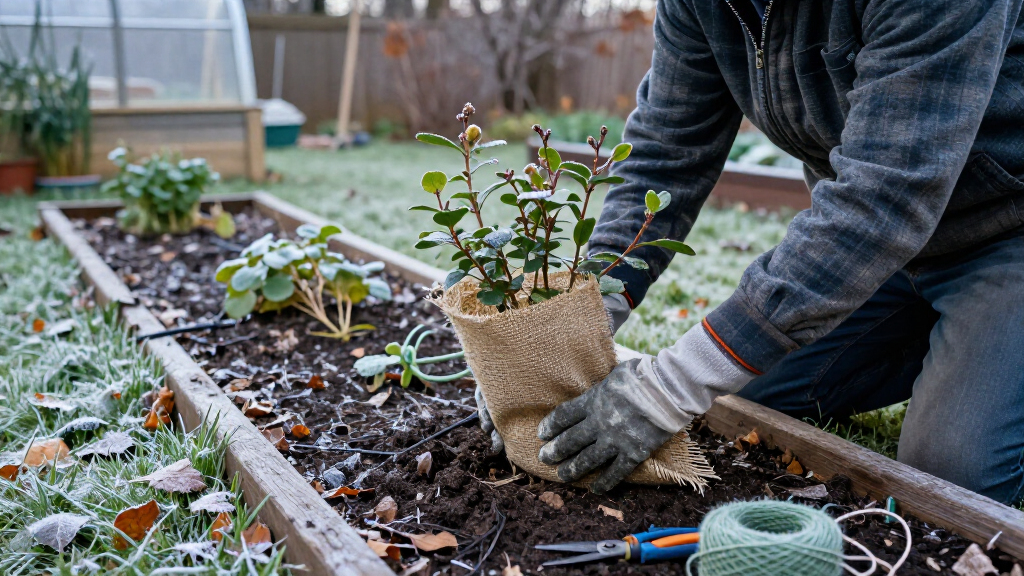
In colder places, the report recommends digging them up and keeping them in a cool, dark, frost-free location. It gives a storage range of about 45°F to 55°F and suggests breathable boxes with dry soil, sawdust or vermiculite, or individual wrapping in newspaper or hessian. Airtight containers and sealed plastic bags should be avoided, as trapped moisture can encourage decay. Potted plants do not necessarily need to be dug up: after foliage dies back, pots can be moved to a cool, frost-free place.
““cold temperatures signal the end of the growing season and that the plant should enter dormancy.””
— Homes & Gardens report
As an affiliate, we earn on qualifying purchases.
Local Frost Dates Set the Window
The report does not give a single date for lifting plants because the first frost and the onset of hard freezes vary by location and year. It also does not establish that every garden in zones 7 or 8 can leave cannas and dahlias in the ground: soil moisture and local exposure affect the decision. Gardeners should check their own forecast and conditions rather than relying on the zone number alone.
The supplied report excerpt ends during its storage advice, so it does not provide complete details on how to treat mold or the full inspection routine for stored plants. It recommends checking stored material every few weeks, but the outcome for any particular plant cannot be known until it is inspected.
As an affiliate, we earn on qualifying purchases.
Watch Foliage and the Forecast
Gardeners preparing for winter can monitor foliage for color change and dieback while tracking forecasts for a hard frost. Once both the plant’s condition and local weather indicate the lifting window has arrived, the next steps are to dig carefully, remove damaged sections, dry the healthy material and store it in a cool, dry, dark place that will remain above freezing.
Stored tubers and rhizomes should be checked every few weeks for signs of mold or softness, according to the report. The specific lifting date, whether plants can stay in the ground, and how well stored material survives will depend on local conditions and the health of each plant.
As an affiliate, we earn on qualifying purchases.
Key Questions
Why wait until after the first frost to lift dahlias and cannas?
The report says cold weather helps signal the end of growth and the start of dormancy. Gardeners should also wait for foliage to change color or die back, but lift the plants before a hard frost or frozen ground.
Should every dahlia and canna be dug up?
No. The report says some gardeners in USDA zones 7 or 8 and above may be able to leave them in the ground under mulch if the soil is not overly wet. In colder areas, lifting and frost-free storage are advised.
How should lifted tubers and rhizomes be stored?
After brushing off soil and letting them dry, store them in a cool, dark, dry, frost-free place. The report gives a target range of about 45°F to 55°F and advises using breathable containers rather than sealed plastic bags.
Can dahlias and cannas in pots stay in their containers?
The report says they do not necessarily need to be dug up. After the foliage dies back, cut the plants back and move the pots to a cool, frost-free location, such as an unheated greenhouse or garage.
Source: rss
Halloween Picks
halloween
As an affiliate, we earn on qualifying purchases.