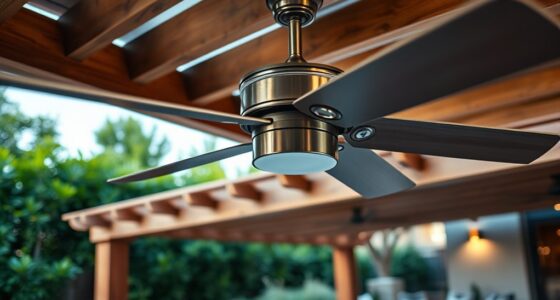
After a long wet winter, your outdoor fan motor is vulnerable to moisture intrusion, which can cause damage and reduce performance. Snow buildup and rain may compromise seals, allowing water to seep inside and promote rust and corrosion. This deteriorates electrical connections, weakens insulation, and can lead to motor failure. If you want to understand how to prevent or address these issues effectively, there’s more you should know to keep your fan running smoothly.

Get garden gear delivered free with Prime
- Fast, free delivery on millions of items
- Prime Video, Amazon Music and more included
- Member-only deals all year
Key Takeaways
- Moisture infiltration causes internal corrosion and rust, damaging motor components.
- Protective seals may break down, allowing water to enter and accelerate deterioration.
- Electrical wiring and connections can deteriorate, leading to malfunction or failure.
- Extended exposure to moisture increases the risk of short circuits and electrical hazards.
- Regular inspection and maintenance help prevent severe damage and extend the motor’s lifespan.
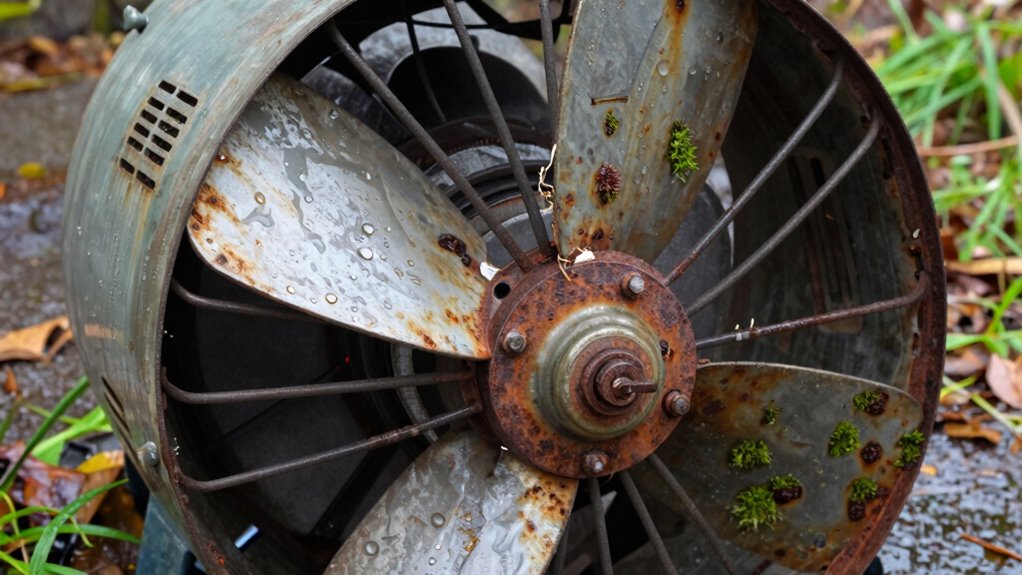
Have your outdoor fan motors weathered the wet winter? If you experienced heavy snow accumulation and frequent rain, your outdoor fans likely endured quite a bit. Snow buildup around the motor housing can cause moisture to seep inside, especially if the protective seals aren’t in top condition. When snow melts or rain continues to fall, water can infiltrate electrical components, leading to corrosion that slowly degrades the motor’s internal parts. This process, known as electrical corrosion, weakens connections and can eventually cause the motor to fail altogether. If you left your fans outside without covering them, these issues may be more pronounced, making it essential to inspect and maintain them before the warmer months arrive.
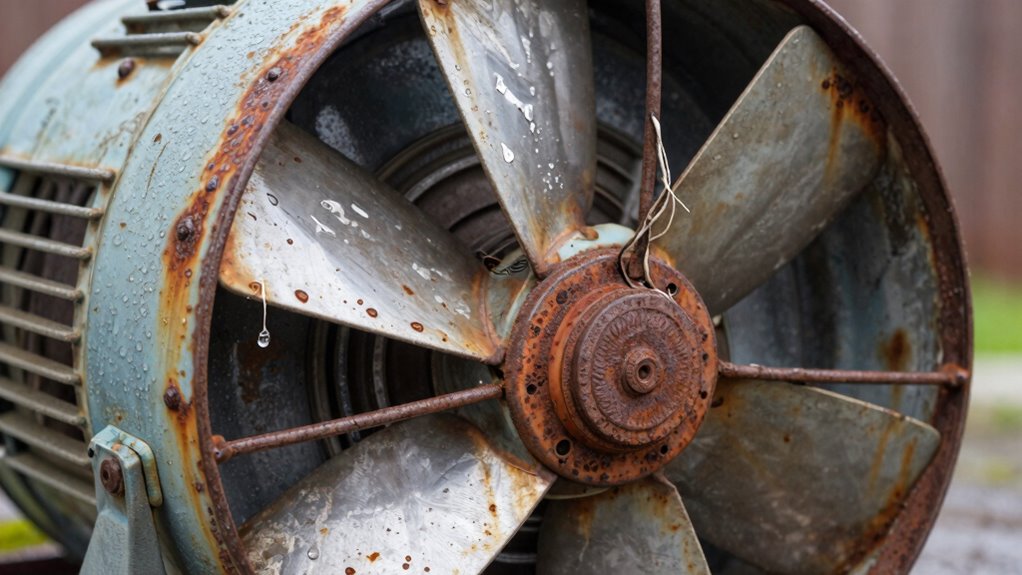
During a wet winter, the combination of snow accumulation and moisture creates a perfect environment for rust and corrosion to develop. Snow can trap moisture against metal parts, especially around vulnerable joints and electrical connections. As the snow melts, water seeps into tiny cracks and crevices, accelerating corrosion on exposed metal surfaces. This corrosion can interfere with electrical conductivity, leading to short circuits or total failure of the motor. If you notice any rust or corrosion on the exterior, it’s a clear sign that moisture has penetrated the housing, and your motor might need professional cleaning or replacement. Ignoring these signs can result in dead motors that won’t start when you need them most. Additionally, prolonged exposure to moisture can also degrade protective coatings, further exposing metal parts to corrosion. Proper maintenance practices can help extend the life of outdoor fan motors after a wet winter.
Furthermore, the prolonged exposure to moisture during winter can cause insulation on the wiring to degrade, increasing the risk of electrical shorts. Once corrosion sets in, it doesn’t just weaken the metal; it also disrupts the delicate electrical pathways that make your fan operate smoothly. This can lead to inconsistent operation or complete failure. If you attempt to run your outdoor fan without addressing these issues, you might risk further damage to the motor or even electrical hazards. Regular inspections after heavy winter weather help catch early signs of damage. Cleaning off debris, removing rust, and applying protective coatings can help prevent future issues caused by moisture. Recognizing the importance of biodiversity and the environment, ensuring your outdoor equipment remains in good condition can help reduce waste and promote sustainable living practices by extending the lifespan of your appliances.
As an affiliate, we earn on qualifying purchases.
Frequently Asked Questions
How Can I Tell if My Outdoor Fan Motor Is Damaged?
You can tell if your outdoor fan motor is damaged by inspecting the fan blade for cracks or bends, which indicate physical damage. Listen for unusual noises like grinding or squealing when it runs. Check if the motor winding feels hot to the touch after operation, suggesting overheating. Additionally, if the fan isn’t turning on or is wobbling excessively, these signs point to potential motor damage needing professional repair or replacement.
What Are the Signs of Rust or Corrosion on Outdoor Fan Motors?
You’ll notice rust or corrosion on your outdoor fan motor if you see reddish-brown spots, flaking paint, or a slimy, white film. Regularly inspect for these signs to catch problems early. To prevent rust, clean and apply rust prevention treatments, and keep the area dry. If you find corrosion, treat it promptly with appropriate corrosion treatment products to extend your motor’s lifespan and maintain efficient operation.
Is It Necessary to Replace My Outdoor Fan Motor Every Winter?
You don’t need to replace your outdoor fan motor every winter, but seasonal maintenance is key to prolonging motor longevity. If you regularly inspect, clean, and protect your fan from moisture and debris, it can last for years. Skipping maintenance might lead to corrosion or damage, prompting costly replacements. Proper upkeep guarantees your outdoor fan remains efficient and durable, saving you money and hassle in the long run.
How Often Should Outdoor Fan Motors Be Inspected After Winter?
You should inspect your outdoor fan motor at least once a month during the spring and summer, especially after winter. Incorporate a maintenance schedule that includes checking for corrosion, debris, and proper lubrication. After winter, focus on winter preparation by thoroughly cleaning and inspecting the motor before restarting it. Regular inspections help catch issues early, ensuring your fan motor operates efficiently and prolongs its lifespan despite harsh weather conditions.
Can Outdoor Fan Motors Be Repaired or Only Replaced?
You can often repair outdoor fan motors rather than replace them, especially if issues are caught early. Regular maintenance tips, like cleaning and lubricating parts, help extend the motor lifespan. If you notice persistent problems or significant damage, replacement might be necessary. Always inspect your outdoor fan motors after winter, as proper care guarantees they run efficiently and last longer, saving you money and avoiding unexpected breakdowns.
outdoor fan motor seal replacement kit
As an affiliate, we earn on qualifying purchases.
As an affiliate, we earn on qualifying purchases.
Conclusion
After a long, wet winter, your outdoor fan motor might look like it’s been through a swampy battlefield—corrosion, rust, and soggy insides galore. It’s basically auditioning for a role in a horror film about neglected appliances. So, next spring, give it a good inspection or a spa day—otherwise, it’ll just keep whispering its soggy secrets and refusing to spin. Trust me, your fan’s better off in a dry, loving home.
outdoor fan motor corrosion repair
As an affiliate, we earn on qualifying purchases.
As an affiliate, we earn on qualifying purchases.
As an affiliate, we earn on qualifying purchases.
Halloween Picks
halloween
As an affiliate, we earn on qualifying purchases.