TL;DR
A Rural Sprout report says birds may take time to find and use a new feeder, especially when natural food is plentiful or the feeder is poorly placed, as explained in these tips for attracting birds to a new feeder. It recommends offering shelter nearby, choosing an appropriate feeder and fresh seed, keeping the feeder clean, and waiting for birds to discover it.
A Rural Sprout report describes why birds may leave a new feeder untouched and recommends adjusting its timing, location, feeder style and seed. The advice matters to people who have set up feeders but are not seeing visitors: birds may need time to discover a food source, and nearby shelter and fresh food can make it more inviting.

Get garden gear delivered free with Prime
- Fast, free delivery on millions of items
- Prime Video, Amazon Music and more included
- Member-only deals all year
The report’s author says a pair of newly installed feeders remained unused for more than a week after being put up in early November. The author links the slow start partly to the season: birds may still have natural food available in fall, while winter can make other sources harder to find. The report recommends patience rather than treating a quiet feeder in its first days as proof that it will never attract birds, and offers more ways to attract birds to your yard.
Placement is another factor. The report advises setting feeders near trees or shrubs that offer cover, while keeping a clear approach for birds to reach them, which can also help backyard birds through winter. For window safety, it recommends placing a feeder either within three feet of a window or more than 30 feet away. It also says to choose a feeder suited to the birds a person hopes to attract: small birds may use a thistle sock, while larger birds such as cardinals need a stable perch.
For a new feeder, the report advises using fresh seed and modest amounts until birds begin visiting regularly. It warns that old or moldy seed may be avoided and that seed can spoil when exposed to rain, insects or prolonged sun. It recommends replacing seed weekly during the initial period and washing the feeder. The source text ends partway through its discussion of cleaning, so it does not provide complete cleaning instructions.
Small Changes Can Improve Feeder Access
An empty feeder can reflect a mismatch between the food, the feeder and its surroundings, rather than a lack of birds nearby. For readers, the report’s suggestions offer practical ways to make a feeder easier to find and use: provide nearby cover, preserve a clear flight path, and select a design suited to local bird species.
The placement advice also addresses a safety concern. The report’s suggested distances from windows are intended to reduce the risk of birds striking glass. Its guidance on limiting and replacing seed may help reduce waste and prevent birds from encountering spoiled food. These are recommendations from the cited report, not guarantees that birds will arrive on a particular schedule.
Products Worth Considering

Greenworks 48V Brushless Cordless Leaf Blower with Two 4.0 Ah Batteries
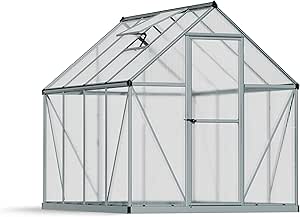
Palram Canopia Mythos 6' x 8' Polycarbonate Greenhouse, Silver

Blackstone 1814 17-Inch Portable Propane Gas Griddle
As an affiliate, we earn on qualifying purchases.
The report is framed around the author’s experience moving to a new home. At a previous property, the author says feeders drew regular visitors, including cardinals that moved between a large spruce and the feeders in winter. After putting up feeders at the new home in early November, the author found them untouched for more than a week and reconsidered familiar feeder advice.
That account is an anecdote, not a controlled test comparing seasons or feeder setups. The report uses it to introduce several possible explanations: natural food availability, placement, feeder design and seed freshness. It does not supply research data on how long birds typically take to find a feeder or quantify how much each change affects visits.
““Bird feeders are just like any other real estate: location, location, location!””
— Rural Sprout report
How Quickly Birds Will Arrive
The report does not establish a typical waiting period for a new feeder or confirm that any single adjustment will bring birds in. Its author’s experience is one example, and the supplied material includes no independent expert comment, study or data to compare with it. Local bird species, available natural food and the surrounding habitat may all affect visits, but the source does not quantify those factors.
The supplied report also cuts off during its feeder-cleaning discussion. It does not include the full cleaning directions or identify which birds are most likely to use every feeder type. Readers should treat the recommendations as general guidance rather than a promise of results.
Monitor Seed, Placement and Visits
The report suggests checking the setup and then giving birds time to find it: move the feeder near protective shrubs or trees if needed, make sure birds have a clear approach, and confirm that the feeder suits the species a person hopes to attract. Start with a small amount of fresh seed, replace it regularly and clean the feeder.
There is no next announcement or formal milestone in the source. A practical next step for readers is to observe whether visits change after adjustments, while remembering that seasonal food availability and local conditions may affect the result.
Key Questions
How long does it take birds to find a new feeder?
The report gives no standard timeframe. Its author says new feeders went unused for more than a week, and recommends patience because birds may take time to discover a food source.
Where should I place a bird feeder?
The report recommends placing a feeder near trees or shrubs that provide shelter, while keeping a clear flight path. For windows, it suggests positioning the feeder within three feet or more than 30 feet away.
What should I do with seed in a new feeder?
Use fresh seed and avoid filling the feeder to the top before birds visit regularly. The report recommends replacing seed weekly at first because exposure to moisture, insects or sun can spoil it.
Does feeder type affect which birds visit?
According to the report, yes. It says small birds such as goldfinches and chickadees can use thistle socks, while cardinals need a larger, steady perch. The right choice depends on which birds a person hopes to attract.
Source: ruralsprout.com