TL;DR

Get garden gear delivered free with Prime
- Fast, free delivery on millions of items
- Prime Video, Amazon Music and more included
- Member-only deals all year
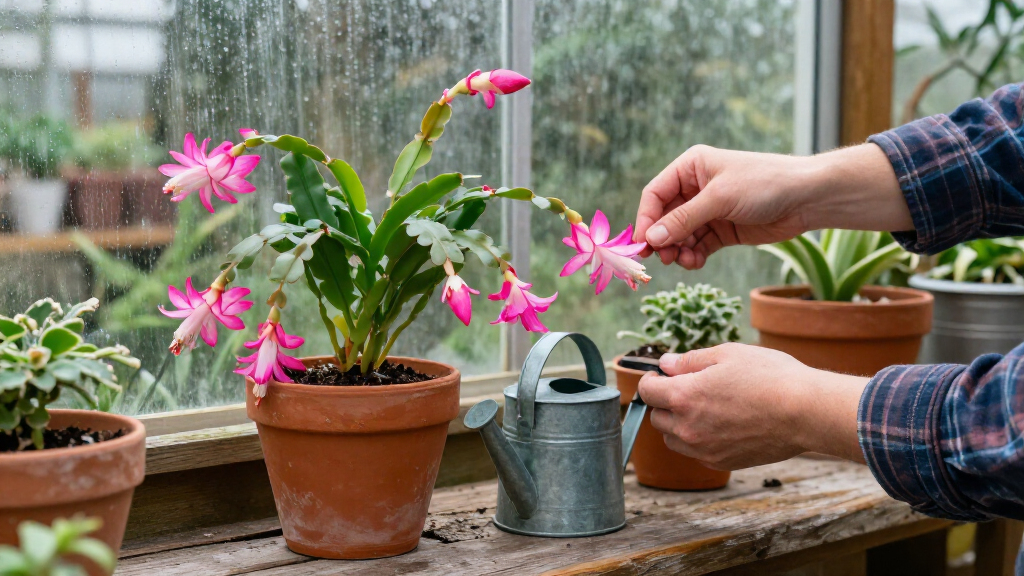
A Homes & Gardens report recommends five November care steps for Thanksgiving cacti: provide bright, indirect daytime light, water according to soil moisture, keep temperatures steady, maintain long uninterrupted nights and avoid unnecessary disturbance. These measures may support flowering, but blooms are not guaranteed; the source does not provide controlled evidence or promise a particular display.
A Homes & Gardens report advises Thanksgiving cactus owners to adjust care in November by balancing bright, indirect light, soil moisture, stable temperatures and long nights as plants develop or open their holiday-season flowers. Learn more about getting a Thanksgiving cactus to flower. The guidance matters because changing conditions can stress a budding plant, though it cannot guarantee that a cactus without buds will bloom.
The report recommends placing the plant where it receives bright, indirect light during the day. An east-facing window is suggested for gentler morning sun; a bright north-facing window may also work. Strong light from south- or west-facing windows can be filtered with a sheer curtain. The report cautions that direct sun can scorch the plant’s fleshy stem segments, while a dark location is not a substitute for the long nights associated with flowering.
Water based on the potting mix rather than a fixed calendar. When the surface begins to dry, water thoroughly and let excess drain through the pot’s drainage holes, then empty the saucer. The source says Thanksgiving cacti need more moisture than desert cacti, but waterlogged soil can harm roots. As days shorten and temperatures fall, the plant may need less water than in summer; allowing the mix to remain completely dry for an extended period can also stress it.
For flowering plants, the report recommends avoiding sudden temperature changes and keeping the plant away from drafts, exterior doors, heaters and vents. It gives a target of 65–70°F by day and 55–65°F at night. Its fifth tip is to support flowering conditions: provide around 12–14 hours of uninterrupted darkness nightly if buds have not formed, while keeping the plant in bright, indirect light during the day. Avoid repotting in November unless necessary, as root disturbance may add stress.
Steadier Conditions Protect Developing Buds
November care can affect whether existing buds have stable conditions in which to open. The report identifies abrupt shifts in temperature, light or humidity as possible sources of stress and says they can contribute to bud drop. That makes placement and routine relevant: moving a plant repeatedly, leaving it beside a heater or letting it sit in wet soil may undermine the display growers are hoping for.
The advice also sets realistic expectations. Adjusting light and nighttime darkness may encourage flowering when conditions are suitable, but the report does not establish that every plant will bloom or specify how quickly a change will produce buds. Owners should treat the steps as general care guidance and respond to their plant’s growing conditions.
Products Worth Considering

Orbit B-hyve Smart Indoor/Outdoor 12-Zone Sprinkler Controller

Orbit B-hyve XR 16-Zone Indoor/Outdoor Smart Sprinkler Timer
Orbit B-hyve XR 8-Zone Indoor/Outdoor Smart Sprinkler Controller
As an affiliate, we earn on qualifying purchases.
Why November Changes the Routine
Thanksgiving cacti are tropical plants native to Brazilian forests, rather than desert cacti, according to the report. That distinction explains why they can need regular moisture while remaining vulnerable to soggy potting mix. A well-draining mix and a container with drainage holes help excess water escape.
Shorter days and indoor heating can change both light and moisture conditions in November. The report says many plants may already have buds by this point; others may still be producing green growth. It recommends keeping daytime light bright but indirect, and providing long, uninterrupted nights as a flowering cue. It does not give a specific deadline by which a plant should form buds.
“Thanksgiving cactus care in November is all about getting the balance right.”
— Homes & Gardens report
Bloom Timing Varies by Plant
The source does not say how many plants will respond to these steps, how soon new buds might appear or whether a particular plant will flower in time for the holidays. It also offers general care guidance rather than results from a controlled trial. Flowering may depend on a plant’s existing condition and growing environment; the report does not quantify those effects.
The recommended darkness period and temperature ranges are presented as guidance, not a guarantee. The source does not provide a detailed schedule for every home or explain how to adapt the advice for plants already in bloom. If a cactus is losing buds or showing signs of stress, the report’s central advice is to limit abrupt environmental changes and check soil moisture and placement.
Keep Conditions Stable Through Bloom
For the rest of November, owners can check the potting mix before watering, confirm that water drains freely and keep the cactus in a consistent spot with suitable daytime light. Plants without buds can be given 12–14 hours of uninterrupted darkness at night, while avoiding unnecessary movement or repotting. Those with buds can be monitored for changes after drafts, heating or watering adjustments.
The report sets no follow-up date or formal next milestone. The practical next step is to maintain steady care and watch whether buds develop and open; the eventual timing and number of flowers remain uncertain.
Key Questions
How much light does a Thanksgiving cactus need in November?
The report recommends bright, indirect light during the day. An east-facing window may provide gentle morning sun; filter strong south- or west-facing sunlight with a sheer curtain.
How often should I water it?
Do not rely on a fixed schedule. Check the potting mix and water thoroughly when its surface begins to dry, letting excess water drain and emptying the saucer. Avoid both waterlogged soil and prolonged complete dryness.
What temperatures does the report recommend?
It suggests daytime temperatures of about 65–70°F and nighttime temperatures of 55–65°F, while avoiding sudden changes, drafts and nearby heating sources.
Can I encourage a cactus that has not formed buds?
The report suggests bright, indirect daytime light and around 12–14 hours of uninterrupted darkness each night. These conditions may encourage flowering, but the source does not promise that buds will form or specify when they might appear.
Source: homesandgardens.com