
TL;DR
The National Trust Sky Gardening Challenge has announced winners for creative gardening in limited spaces, including a shared courtyard garden, a wheeled lawn made from a discarded crate and a windowsill vegetable garden. The examples highlight practical ways to grow plants in urban settings, though the source does not give the competition date, entry numbers or full judging details.
The National Trust Sky Gardening Challenge has announced winners for gardens created in limited spaces, recognising growers who use courtyards, windowsills and other small areas to cultivate plants. The competition’s examples include a shared courtyard filled with flowers and edible crops, and a mobile lawn built from a discarded crate, showing how people can make room for gardening in urban homes.

Get garden gear delivered free with Prime
- Fast, free delivery on millions of items
- Prime Video, Amazon Music and more included
- Member-only deals all year
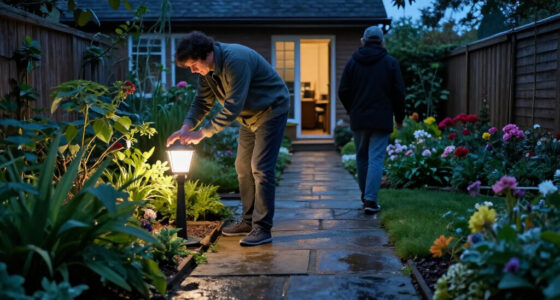
Vikkineshwaran, known as Vik, a 34-year-old doctor from Golders Green, won the “greener ground floors” category. Originally from Malaysia, he grew up in a city centre surrounded by plants and trees. He now tends a shared courtyard near his flat, filling it with colourful plants and edible crops. According to the report, children queue to use the watering can, while neighbours stop to talk, exchange advice and look at new flowers.
Other featured projects put everyday materials and resources to use. Emily, from London, made a mobile lawn from a discarded crate, fitting it with wheels taken from a children’s toy. Tiffany, in Leeds, collects water from her shower and uses a solar pump to deliver it to her plants. Harriet, from Norwich, created a themed nature garden intended to attract wildlife. The report also highlights carrots grown in empty bottles on a windowsill, but does not identify their grower.
The competition was presented as a search for the UK’s best gardens in limited spaces. Its selected examples range from individual projects to a shared residential courtyard. The supplied report names these entrants and their approaches but does not provide a complete winners list, the number of entries or details of how judges assessed submissions.
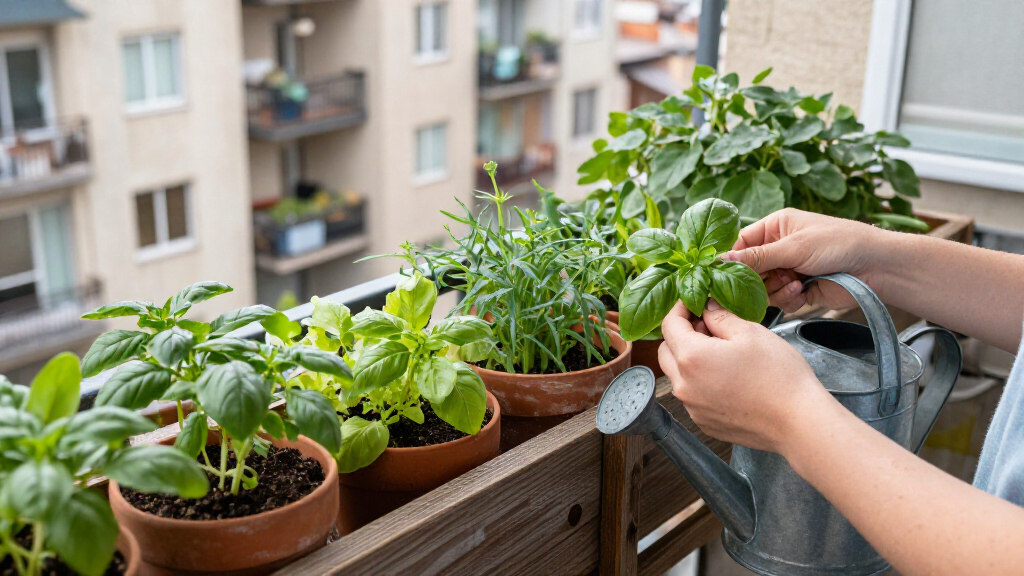
The examples matter because they show that a garden does not need a conventional plot of ground. A windowsill, courtyard or movable container can support plants, while small-scale growing can also create opportunities for neighbours to meet and share knowledge. In Vik’s courtyard, the reported activity extends beyond planting: children take part in watering and neighbours exchange advice.
The source cites University of Manchester research estimating that England and Wales may have more than 430,000 balconies, together covering 177.3 hectares, an area it compares with around 250 football pitches. The research suggests these spaces could become green areas. That figure describes potential balcony space, not the number already used for gardening, and the report does not say how many balconies are currently planted.
Products Worth Considering

EGO POWER+ 21-Inch Self-Propelled Cordless Lawn Mower Kit (LM2135SP)

Husqvarna Automower 435X AWD Robotic Lawn Mower

Husqvarna Automower 410iQ Wire-Free Robotic Lawn Mower
As an affiliate, we earn on qualifying purchases.
The Challenge’s Urban Growing Focus
The National Trust challenge focused on ways to grow plants and connect with nature where space is limited. Its featured entries differ in scale and purpose: some make use of shared outdoor areas, while others adapt containers or household resources for growing. The examples are presented as creative responses rather than as evidence that one approach works for every home.
The source report also includes separate gardening news about community tree care, therapeutic gardening and flowers used by pollinators. Those items are distinct developments and do not form part of the Sky Gardening Challenge results. The University of Manchester balcony estimate is the relevant wider context for the competition’s focus on small urban spaces.
Missing Competition and Research Details
The source does not state when the winners were announced, how many people entered, the full set of category winners or the judging criteria. It also does not identify the person who grew carrots in empty bottles. The report describes the projects but provides no measurements of their harvests, costs or environmental effects.
The balcony estimate is attributed to University of Manchester research, but the source gives no study date, methodology or assumptions behind the figure. The claim that the balconies could become green oases describes a possibility; it does not establish how much planting is underway or what effect it has had on wildlife or residents.
Further Results and Growing Advice
The announcement establishes the named winners and showcases several approaches to gardening in tight spaces. The supplied material does not give a date for further competition updates or a planned follow-up. Readers seeking additional project details may consult the National Trust challenge information, if available; the original report also directs readers to Amateur Gardening for further gardening tips and articles.
More detail on the full results, entry totals and judging process would help show how widely these ideas were represented. Until such information is published, the projects are best understood as examples of what individual growers have done, rather than a complete picture of small-space gardening across the UK.
Key Questions
Who won the National Trust Sky Gardening Challenge?
Vikkineshwaran, known as Vik, won the “greener ground floors” category. The source also describes projects by Emily in London, Tiffany in Leeds and Harriet in Norwich, but does not provide a complete winners list.
What is a mobile lawn?
Emily of London made one from a discarded crate fitted with wheels taken from a children’s toy. The source does not provide further construction or planting details.
How much balcony space could be available for gardening?
Research by the University of Manchester, as cited in the report, estimated more than 430,000 balconies across England and Wales, covering 177.3 hectares. The report says they could become green spaces; it does not say how many are already planted.
When were the challenge winners announced?
The source says the results have been announced but does not give an announcement date.
Source: amateurgardening.com