
TL;DR

Get garden gear delivered free with Prime
- Fast, free delivery on millions of items
- Prime Video, Amazon Music and more included
- Member-only deals all year
Search interest in powdery mildew has surged this September, driven by widespread reports of white leaves on plants. Experts clarify what this means for gardeners and how to handle it.
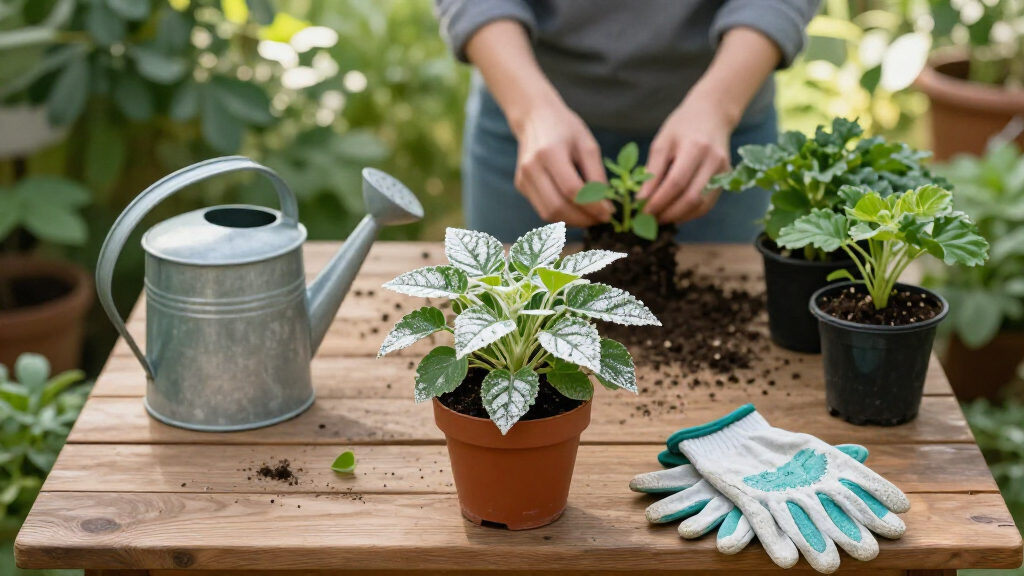
Attention gardeners and plant enthusiasts: reports of leaves turning white this September have led to a surge in searches about powdery mildew, a common plant disease. While the phenomenon is well-known among horticulturists, many are now asking if this signals a serious threat to their plants or if it can be managed easily. Experts confirm that the white coating on leaves is often caused by powdery mildew, which can affect a wide variety of plants but is typically manageable with proper care.
Powdery mildew is a fungal disease characterized by a white or grayish powdery coating on plant leaves, stems, and buds. It is caused by several species of fungi that thrive in warm, dry conditions with high humidity, especially during late summer and early fall. According to plant pathologists, the increase in visible powdery mildew signs this September aligns with typical seasonal patterns, although recent weather conditions may have contributed to its proliferation.
Many plants, including roses, cucumbers, and ornamental shrubs, are susceptible to powdery mildew. The disease manifests as a powdery white substance that can spread rapidly, potentially weakening the plant, reducing photosynthesis, and in severe cases, causing leaf drop or deformities. However, experts emphasize that in most cases, powdery mildew does not kill plants but requires intervention to prevent severe damage.
Gardeners are advised to identify the disease early by inspecting leaves for the characteristic white coating. Management strategies include improving air circulation, removing infected plant parts, and applying fungicides if necessary. Organic options like neem oil or potassium bicarbonate are also effective for many home gardeners. The key is early detection and consistent care to prevent the disease from spreading extensively.
Why Powdery Mildew Awareness Is Important for Gardeners
Understanding powdery mildew is essential because it affects a wide range of plants and can diminish garden productivity and aesthetic appeal. While it is usually not lethal, untreated infections can weaken plants over time, making them more vulnerable to other stresses. With the current spike in concern, timely recognition and management can save plants from significant damage, ensuring healthy growth and vibrant blooms. Moreover, increased awareness helps gardeners avoid unnecessary chemical use and adopt sustainable practices.
Products Worth Considering

Rachio 3 Smart Sprinkler Controller, 8-Zone

Husqvarna ST 124 212cc Two-Stage Snow Blower, 24-Inch

EGO POWER+ 21-Inch Cordless Self-Propelled Lawn Mower Kit, LM2135SP
As an affiliate, we earn on qualifying purchases.
Seasonal Patterns and Growing Conditions Promote Powdery Mildew Spread
Powdery mildew typically appears during late summer and early fall, especially when days are warm but nights are cool, creating ideal conditions for fungal growth. Recent weather patterns this September have included higher humidity levels and fluctuating temperatures, which may have contributed to the surge in visible infections. Historically, outbreaks tend to peak during these months, but the current interest is likely amplified by social media and gardening forums sharing images and concerns.
Prior to this spike, powdery mildew has been a consistent issue across temperate regions, with gardeners and horticulturists developing various management strategies over the years. The current focus appears to be on early detection and environmentally friendly control methods, reflecting a broader trend toward sustainable gardening practices.
Unconfirmed Factors Behind the Surge in Reports
While weather conditions are suspected to contribute to the increase in powdery mildew visibility, it is not yet confirmed whether recent climate patterns are directly responsible for this spike. Some experts suggest that social media sharing and heightened awareness may also influence the reporting frequency, but this remains unverified. Additionally, the extent of the disease’s impact on different plant species and regions is still being studied, with some areas reporting more severe outbreaks than others.
Monitoring and Managing Powdery Mildew in the Coming Weeks
Gardeners are advised to continue inspecting plants regularly for early signs of powdery mildew. Experts recommend adopting integrated pest management strategies, including cultural practices like spacing plants for airflow, removing infected debris, and applying organic fungicides if needed. Researchers and horticulturists will likely monitor weather patterns and disease spread over the next few weeks to better understand the seasonal dynamics. Public awareness campaigns may also increase to promote sustainable control methods.
Key Questions
Is powdery mildew dangerous to my plants?
Powdery mildew typically weakens plants but rarely kills them outright. If untreated, it can cause deformities and reduce flowering or fruiting. Early management usually prevents severe damage.
Can I prevent powdery mildew from appearing?
Preventive measures include ensuring good air circulation, avoiding overhead watering, and selecting resistant plant varieties when possible. Regular inspection helps catch early signs.
Are chemical fungicides necessary to control powdery mildew?
Not always. Organic options like neem oil or potassium bicarbonate are effective for many gardeners. Chemical fungicides can be used if infections become severe, following label instructions carefully.
Why does powdery mildew seem to be more prevalent this year?
It may be related to weather conditions such as increased humidity and fluctuating temperatures, but the exact cause of the current surge is still under investigation.
Source: rss