TL;DR

Get garden gear delivered free with Prime
- Fast, free delivery on millions of items
- Prime Video, Amazon Music and more included
- Member-only deals all year
Potted plants can be more exposed to frost because their roots lack the insulation of surrounding ground soil. Country Living’s gardening report recommends moving manageable containers indoors or, for pots that must remain outside, grouping and wrapping them, adding mulch and using a lightweight cover when needed.
Outdoor potted plants are vulnerable to frost because their roots do not receive the insulation of surrounding ground soil, according to a gardening report by Country Living. The report recommends bringing movable containers into a garage, shed, basement or home; for plants that must stay outside, it advises grouping and wrapping pots, insulating the soil with mulch and covering foliage when colder temperatures are expected.
Moving containers indoors is the simplest option when the pots are light enough to lift and there is suitable space. Country Living suggests a garage, shed, basement or indoor area. If the location gets very cold overnight, wrapping the containers with old sheets or blankets can add insulation. The report does not prescribe a particular indoor temperature, so gardeners should consider the conditions in the space and the needs of their plants.
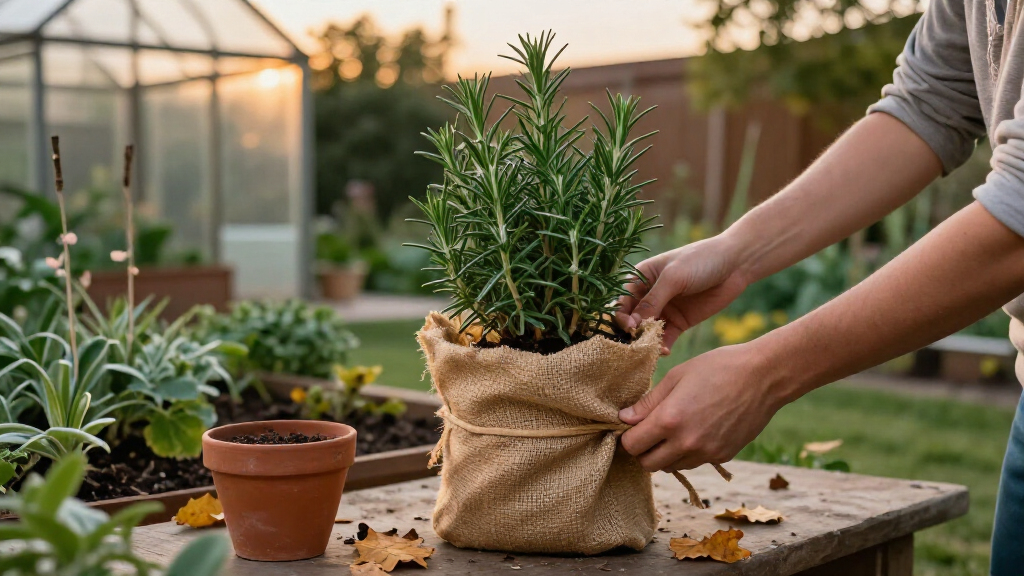
For pots that cannot be moved, place them in a sunny area and group them close together, with the containers touching. Wrap the pots with materials such as burlap, sheets, plastic or cardboard, including household items that can protect plants from frost. If severe cold is forecast, a lightweight fabric or plastic sheet can cover the plants as well. Heavy blankets or towels may weigh down foliage, and gardeners should keep leaves and branches from pressing against the cover where possible to reduce the chance of breakage.
Plastic covers need to come off in the morning, before sunlight reaches the plants, the report says. Plastic left in the sun can trap heat and damage them. For large pots that must remain outside, add mulch over the soil to insulate roots and help keep the soil from drying out. Watering before a light freeze may also help: the report cites Mississippi State University Extension horticulture experts saying that well-watered soil can retain heat and help prevent damage.
Why Container Roots Need Insulation
Container plants face more direct cold exposure than plants rooted in the ground, according to the Country Living report, because the surrounding soil is not there to buffer temperature changes. That makes protection of the pot and root area a practical concern before frost, not just a matter of shielding leaves from cold air.
The recommendations give gardeners options based on the size and location of their plants: move smaller pots indoors, while grouping and insulating larger ones outdoors. Covers also require attention after the cold period. Removing plastic before morning sun reaches it can help prevent trapped heat from harming plants. These are general measures; the report does not guarantee that every plant will withstand a given frost.
Products Worth Considering

Orbit B-hyve XR 16-Zone Indoor/Outdoor Smart Sprinkler Timer
Orbit B-hyve XR 8-Zone Indoor/Outdoor Smart Sprinkler Controller

Orbit B-hyve Smart Indoor/Outdoor 12-Zone Sprinkler Controller
As an affiliate, we earn on qualifying purchases.
Choosing a Frost-Protection Method
The report presents several approaches rather than one method for every garden. The first choice is whether a container can be moved into a sheltered indoor space. When that is not practical, grouping pots in a sunny location and wrapping the containers can provide added protection. Mulch is suggested for pots too large to move, with a cover added to the plant or container as needed.
Country Living also distinguishes between protecting the roots and protecting the foliage. Wrapping a container and adding mulch insulate the pot and soil, while a lightweight sheet can cover exposed growth during very cold weather. The report advises against heavy covers that could press on foliage and warns that plastic should not remain over plants in direct morning sun.
“Well-watered soil can help retain heat and prevent damage.”
— Mississippi State University Extension horticulture experts, as cited by Country Living
Frost Conditions Vary by Plant
The report does not specify a temperature threshold for moving or covering plants, or give separate instructions for particular plant species. Frost tolerance and the protection needed can vary, and the article does not claim that the suggested measures will prevent all damage. It also does not set out how long plants should remain covered after a freeze.
Its watering guidance is attributed to Mississippi State University Extension experts and refers to a light freeze; the report does not provide the source’s full technical guidance or establish that the advice applies identically in every climate or situation. Gardeners should account for local forecasts and the requirements of their own plants.
Prepare Before Nighttime Frost
Before the first frost, check the forecast and decide which containers can be moved. Bring those pots into a sheltered space, and identify the larger ones that will need grouping, wrapping or mulch. If a cover is needed, choose a lightweight material that will not weigh down leaves or branches; remove plastic in the morning before sunlight reaches the plants.
For pots staying outside, check soil moisture and consider watering ahead of a light freeze, following the guidance cited in the report. As temperatures change, reassess whether containers need additional shelter. The source offers seasonal preparation advice, not a fixed schedule or a guarantee against frost injury.
Key Questions
Why are potted plants more vulnerable to frost?
Their roots lack the insulation of surrounding ground soil, making containers more exposed to cold, according to the Country Living report.
What should I do with pots I can move?
Move them to a garage, shed, basement or indoor space. If the area gets very cold overnight, wrap the containers with old sheets or blankets.
How can I protect large pots that must stay outside?
Place containers in a sunny spot and group them closely. Wrap the pots, add mulch over the soil and cover the plant with lightweight material if colder conditions call for it.
Can I leave plastic over a plant during the day?
The report advises removing plastic in the morning before sunlight reaches the plant, because it can trap heat and cause damage.
Should I water before a light freeze?
The report cites Mississippi State University Extension horticulture experts saying that well-watered soil can retain heat and help prevent damage. The advice is framed around a light freeze and does not give species-specific instructions.
Source: countryliving.com